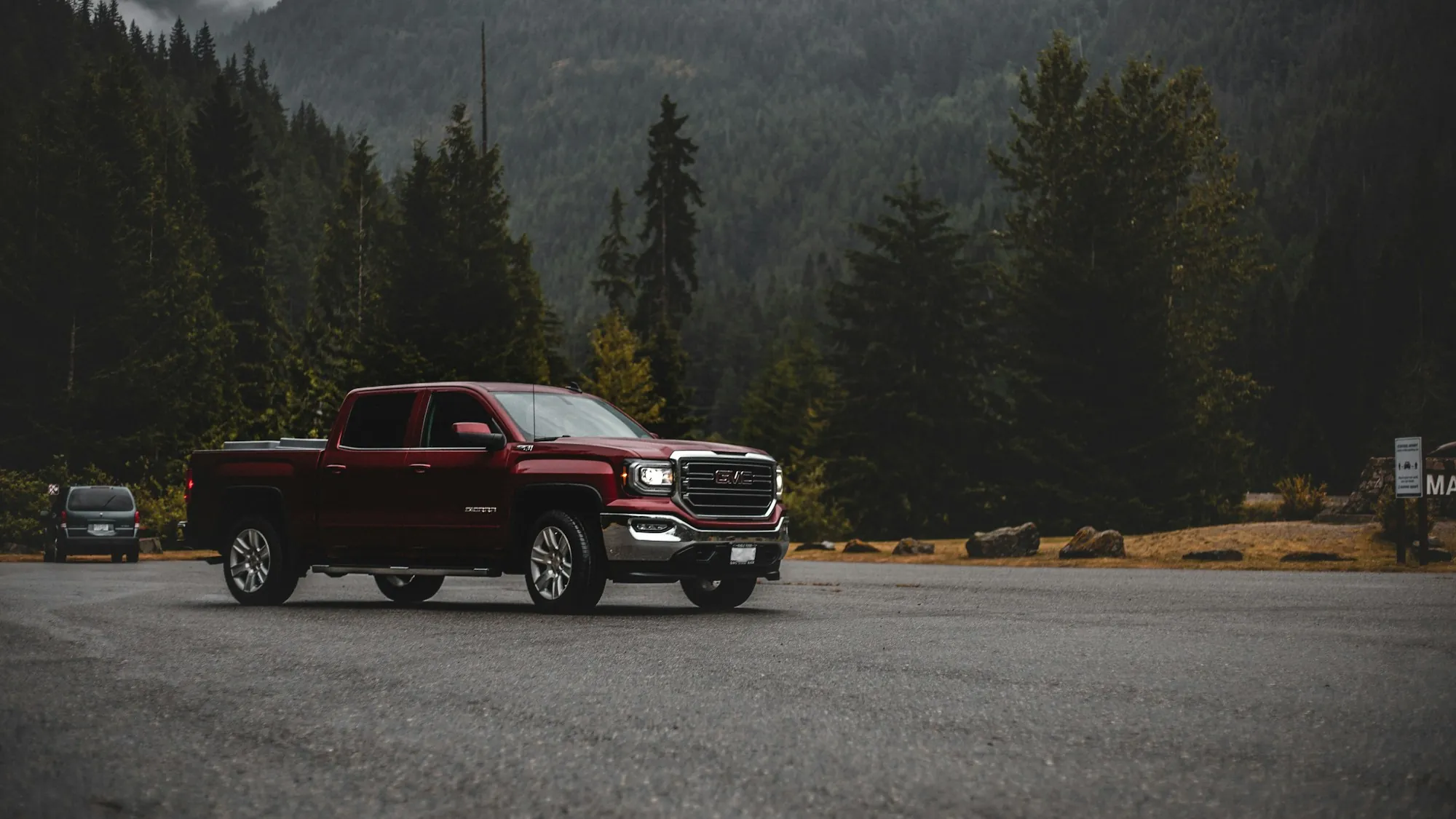
Diesel pickups welcome, from injectors to turbochargers ยท (720) 230-1727

Auto Repair Central City logo

Central City, Colorado

Auto Repair in Central City Built on Tests, Not Guesswork

Drivers from Central City, Black Hawk, Russell Gulch and Idaho Springs get each symptom traced to one confirmed cause, then a brake, engine, transmission or diesel repair that fixes it the first time.

Get a straight answer โ€” (720) 230-1727
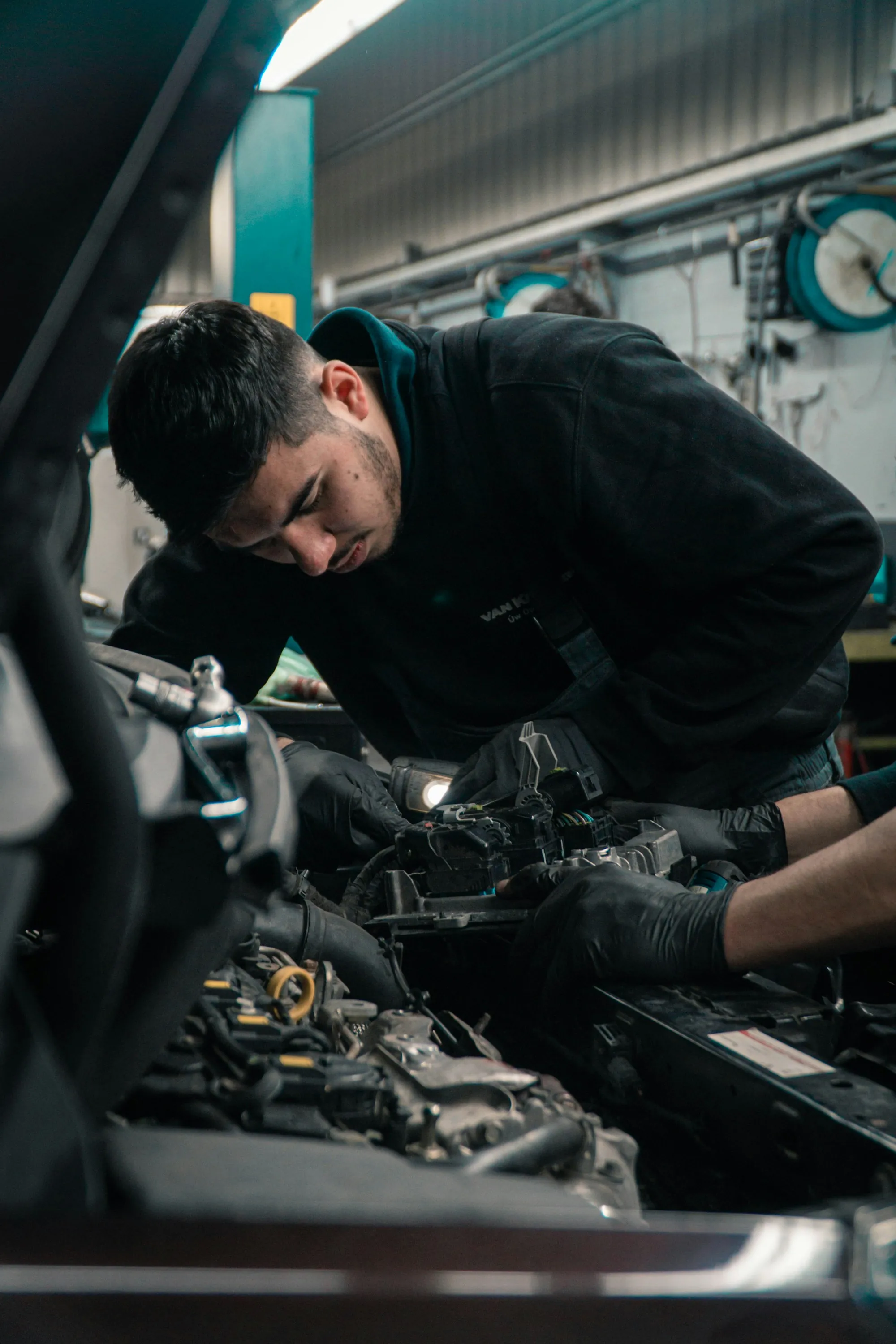
Mechanic leaning over an open engine bay inspecting components

What the call gets you

A plain answer on what is wrong, what fixing it involves and whether it can safely wait.

Working across

  • Central City
  • Black Hawk
  • Russell Gulch
  • Idaho Springs

One symptom, one confirmed cause

Swapping parts until a noise stops is the expensive way to fix a car. The cheaper way is slower for the first hour and faster for everything after: test, confirm, then repair. It also means the explanation you get is specific to your vehicle, not a guess dressed up as a diagnosis.

  1. 01

    You describe it

    When it happens, how it sounds or feels, and what changed recently. Small details point the testing in the right direction, and a good description often halves the time it takes to find the fault.

  2. 02

    We prove it

    Measurements, scan data and hands-on checks narrow the fault to a single part or connection, and rule out the look-alikes that produce the same symptom but need a different repair.

  3. 03

    You decide

    You hear what failed, why, what the fix costs and how urgent it is. Then you choose, with nothing replaced on a hunch and no pressure to do everything at once.

Why the diagnosis holds up

Getting the cause right the first time comes down to a few habits, and to who is holding the meter. None of them are complicated. All of them save money, because a repair that fixes the real fault is a repair you only pay for once.

Fifteen years at the bench

The work is done by someone with 15 years in the auto repair industry, which means most faults have been seen before and the testing goes straight to the likely culprits instead of working through every possibility from scratch.

Test, then replace

Every repair recommendation is backed by a measurement or a confirmed failure, never by the code alone or by what usually breaks on that model. If the evidence is not there yet, the testing continues before anything is ordered.

Gasoline and diesel, same standard

A diesel pickup with a regeneration fault gets the same methodical testing as a sedan with a misfire, in the same shop, so households with one of each only need one number to call.

Priorities, not pressure

Findings come sorted: what needs doing now for safety, what can be planned, and what is simply wear to keep an eye on. You decide the order, and nothing on the list is started without your approval.

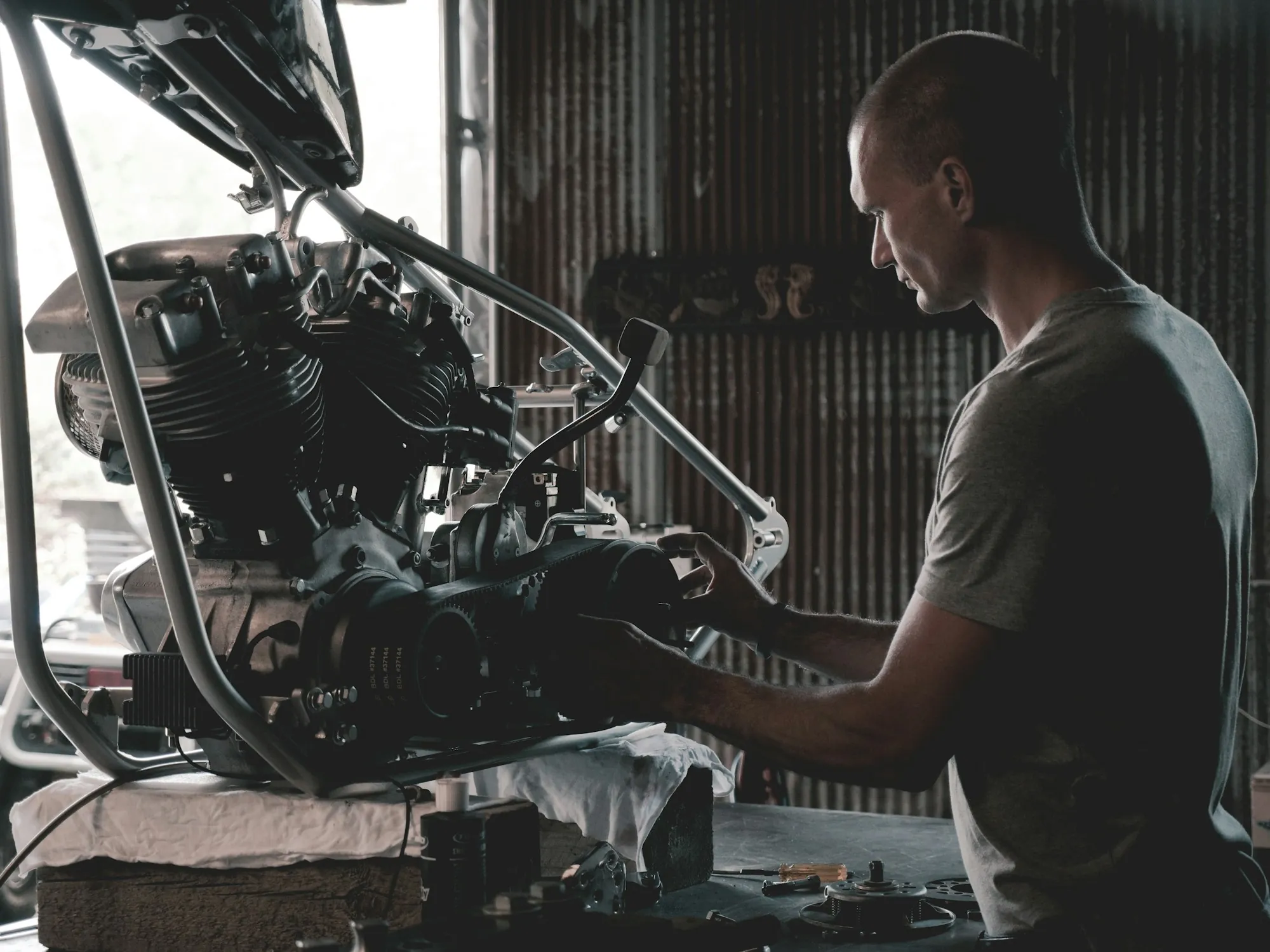
Mechanic working on an engine mounted on a stand in a workshop

How a repair runs here

  1. 1

    Call and book

    Explain the symptom, mention anything that has changed recently, and set a time. If it sounds unsafe to drive, you will hear that on the call, along with the safest way to get the vehicle here.

  2. 2

    Test and confirm

    The vehicle is inspected and the fault traced to its cause with measurements, not assumptions. You hear what was found, what it costs to fix and how urgent it is before any repair begins.

  3. 3

    Fix and verify

    The agreed repair is done, then the vehicle is road tested under the same conditions that caused the symptom, to confirm it is gone rather than assume it.

Before you call: nine quick answers

How often does the oil really need changing?

Go by the owner manual first. Many modern engines on synthetic oil run longer intervals, but steep grades, towing, dirt roads and lots of short trips count as severe service and call for shorter ones. If you are unsure which schedule fits, ask when you book.

Rebuild or replace: which is better for a failed transmission?

It depends on what broke. Worn clutch packs, seals and valve-body faults usually make a rebuild sensible. Heavy internal damage often tips the balance toward a remanufactured unit. Both options are priced before you choose.

How much time does brake work take?

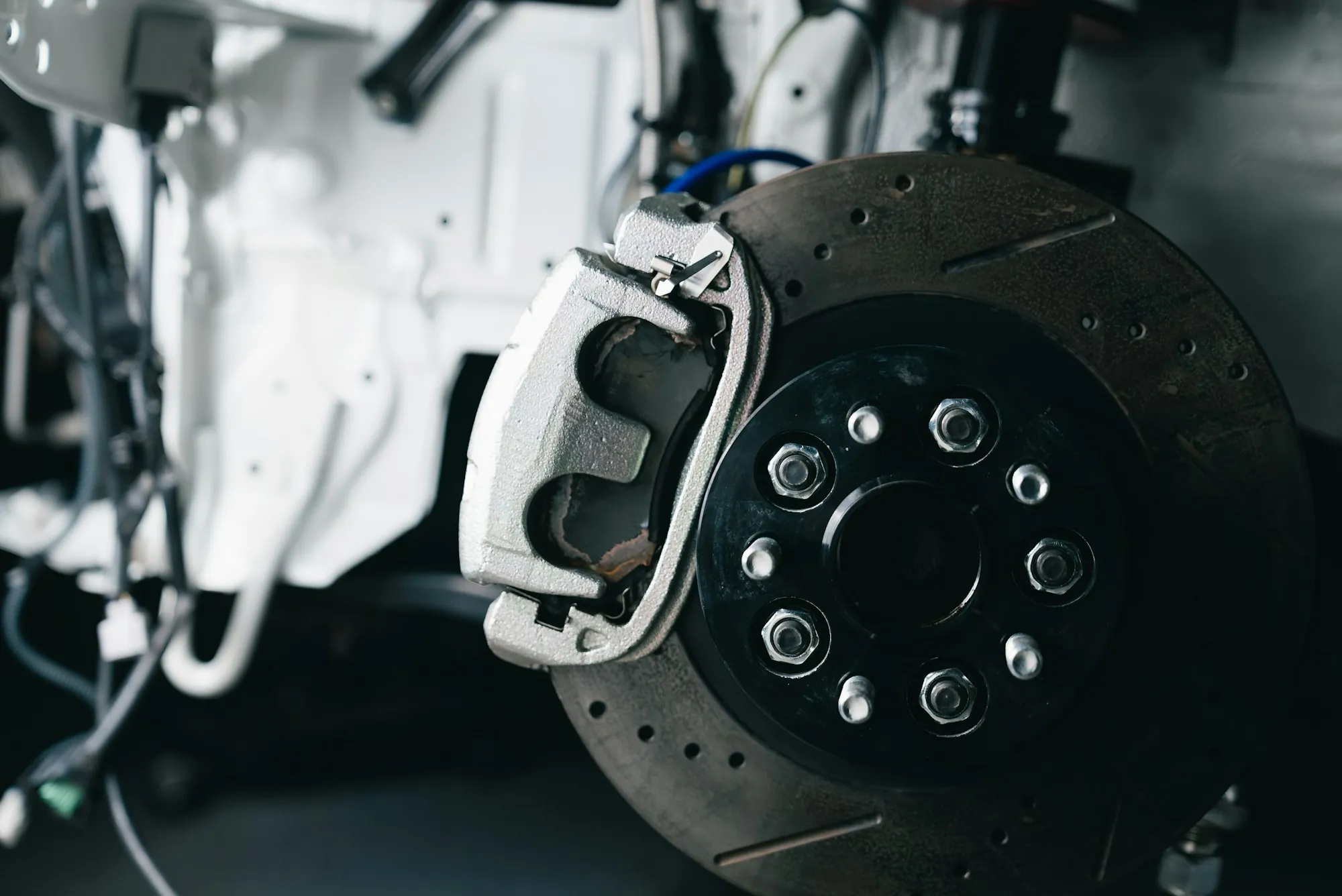
Pads on one axle is a short job. Rotors, calipers or a fluid exchange add time. Once the brakes have been measured, you get a realistic estimate along with the price.

What does diagnosis cost, and how is it handled?

It depends on the fault. A visual look is part of the free vehicle inspection. Deeper testing, such as tracing an electrical or drivability problem, is quoted before it starts, so you always know the cost of finding the answer before you commit to it.

The check engine light is on. Is the car safe to drive?

A steady light with normal driving usually means you can drive gently to an appointment. A flashing light signals a live misfire; unburned fuel then overheats the converter in the exhaust, so ease off, avoid towing or climbing hard, and call. If the temperature gauge is rising too, pull over.

Which parts of the vehicle does the free inspection look at?

A look at the systems that matter most for safety and reliability: brakes, tires, steering and suspension, fluid levels and leaks, belts and hoses, plus whatever symptom you mentioned. You get the findings explained, ranked by urgency.

How can I tell my transmission is starting to fail?

Slipping, where revs climb without the vehicle speeding up; harsh or delayed shifts; a shudder under light acceleration; fluid spots under the vehicle; or a burnt smell after towing. Catching it early keeps cheaper repairs on the table.

Do you fit factory parts or aftermarket parts?

It depends on the job. Some repairs genuinely need factory parts, such as certain sensors and transmission components. For many others, a good aftermarket part does the same work for less money. Wherever both are sensible, both prices are given so the decision is yours.

How many days might the repair take?

Routine work is often finished in the booked visit. Larger repairs depend on testing time and parts availability. You get a timeframe with the price and a call if anything changes.

Got a symptom you cannot pin down?

Noises that come and go, lights that flicker on and off, a feel that is hard to describe: those are exactly the problems worth a call. Describe it as best you can, including when it happens and what you were doing at the time, and we will tell you how we would track it down.

Describe it to us โ€” (720) 230-1727

Gilpin County and nearby

Steep switchbacks and the climb up the Central City Parkway put brakes, cooling systems and transmissions under real strain, which is why those get a close look on every visit. If you live in one of the smaller communities nearby, call and ask. Describe the symptom well and the visit can be planned so a single trip does the job.

Service area details
  • Central City
  • Black Hawk
  • Russell Gulch
  • Idaho Springs
  • Rollinsville
  • Nevadaville
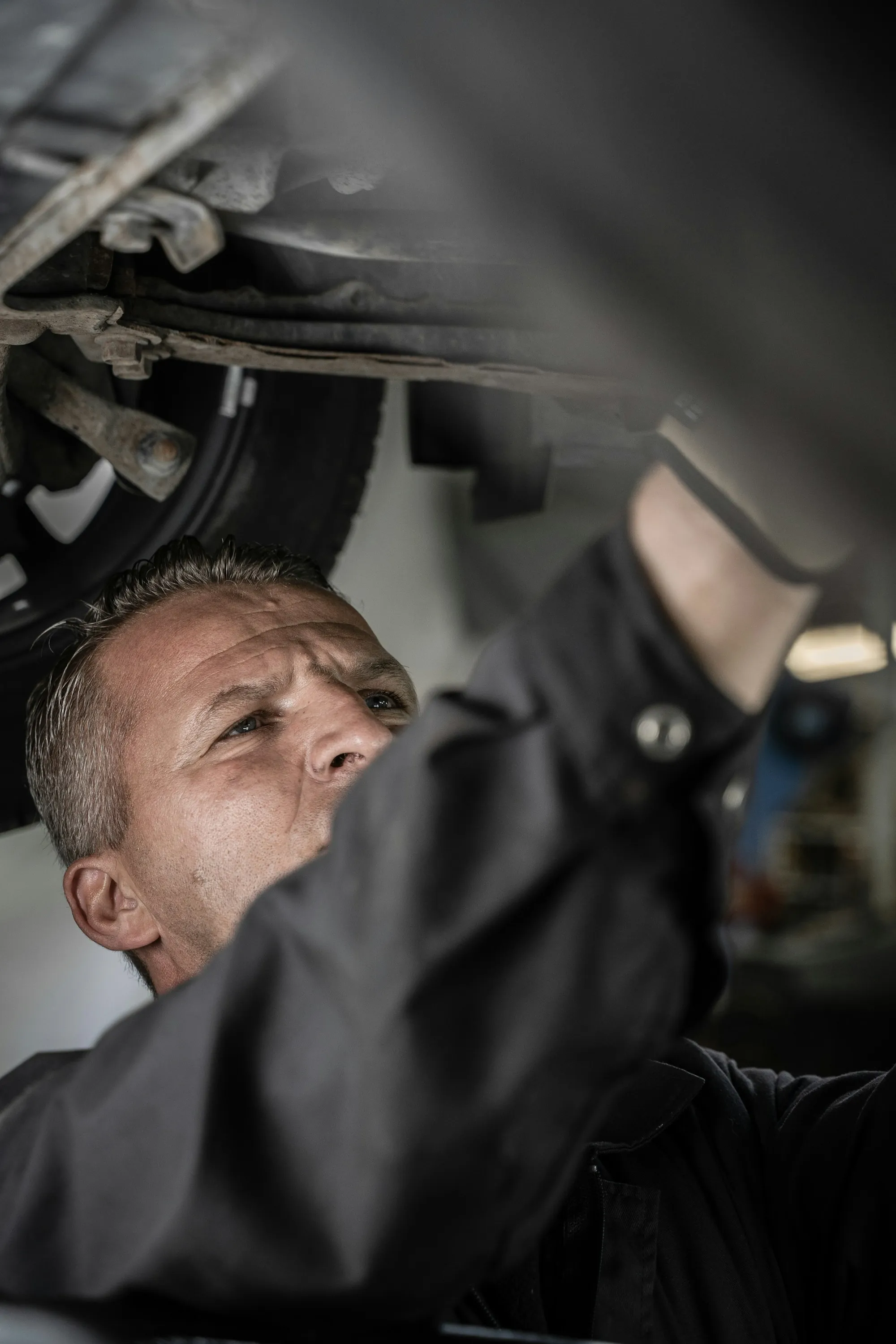
Mechanic working beneath a raised vehicle in a bright shop

A shop that would rather be right than quick

The aim is simple and it has not changed: find the actual cause, fix it once and explain it in a way that makes sense. That sometimes means an extra half hour of testing before a recommendation. It almost always means a smaller bill than replacing parts in the hope that one of them is the answer. And when something can safely wait, you will be told so plainly, with a rough idea of when it will need attention.

About the shop
Red pickup truck on a mountain lot surrounded by pine trees

Find out what is really going on

Call, describe the symptom, and get a straight answer on what it is likely to be, how we would confirm it and what that testing costs before anything else happens.

Call for an answer โ€” (720) 230-1727